
Home › Ingredients
Cholibrium Ingredients: All 10 Mushrooms Explained
By the Cholibryum editorial team · Updated 29 November 2026
The Ten Mushrooms at a Glance
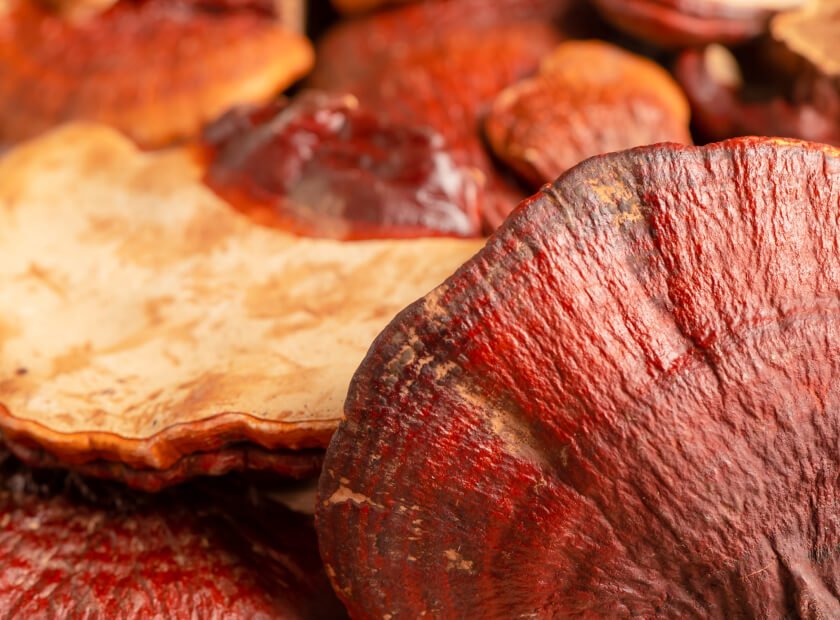
Reishi
The ‘mushroom of immortality’ in East Asian tradition. Human heart-related evidence is limited.
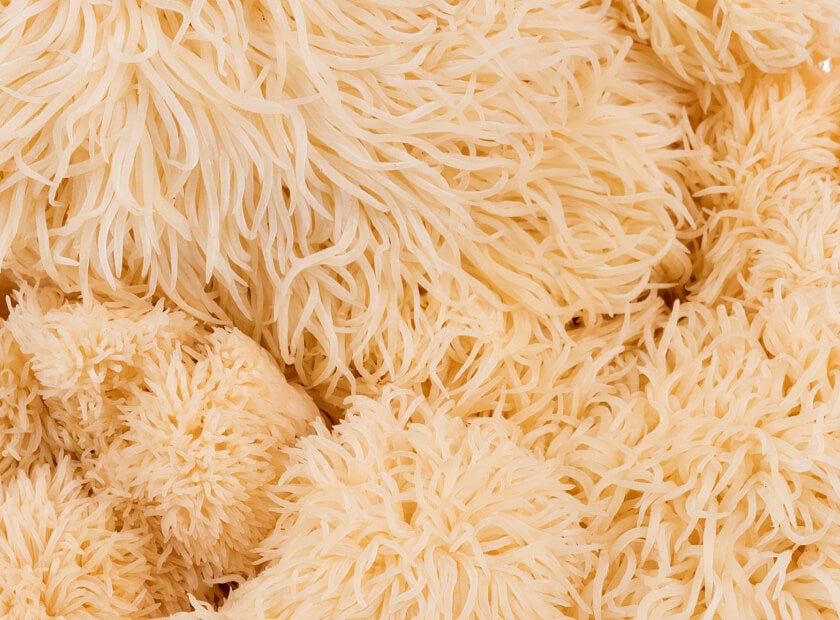
Lion’s Mane
A shaggy white mushroom best known for research on focus and mood.
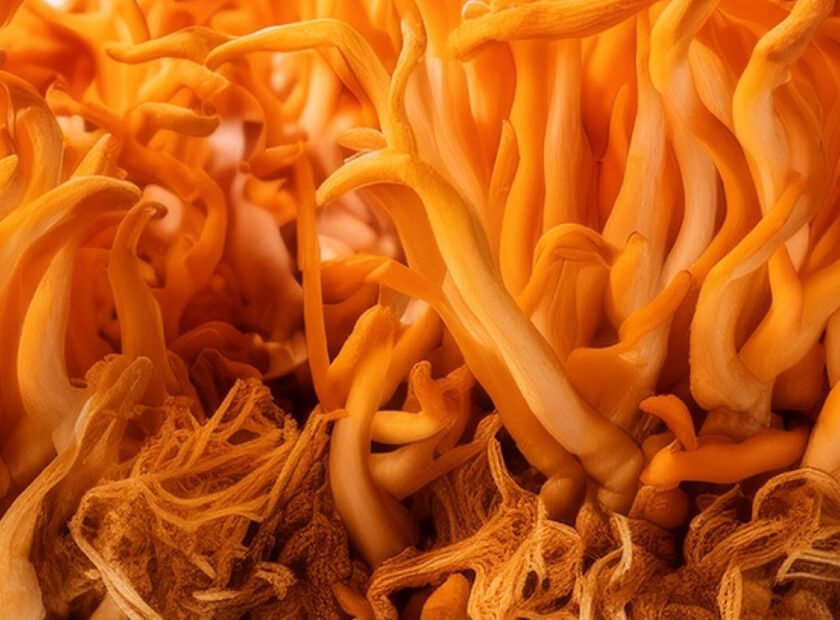
Cordyceps
Studied mainly for energy and exercise performance, with mixed results.
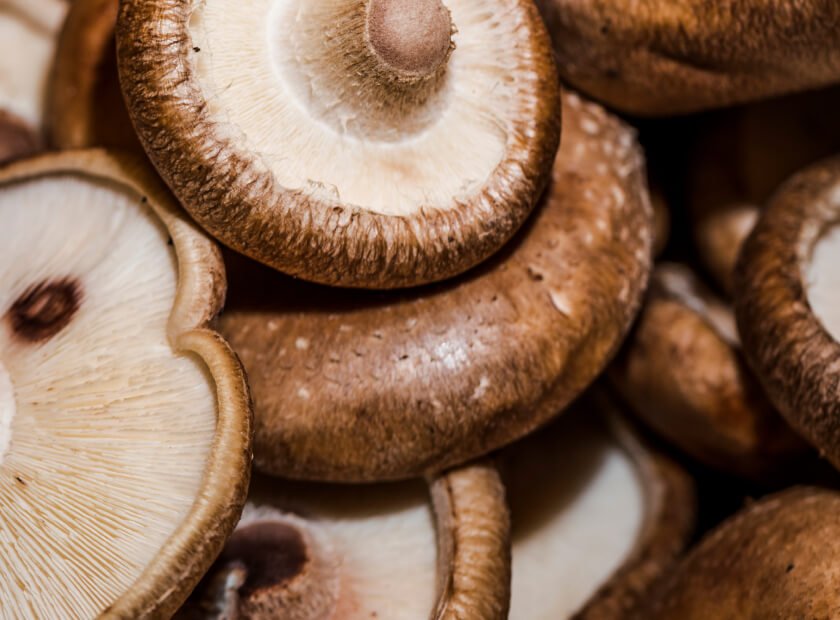
Shiitake
A culinary favourite containing eritadenine and beta-glucans.
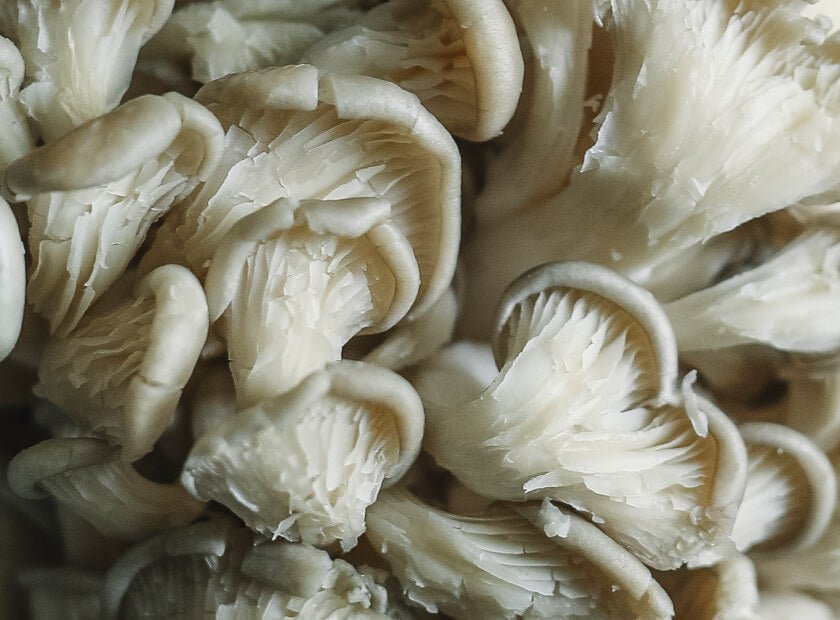
Maitake
The ‘dancing mushroom’, rich in beta-glucans.
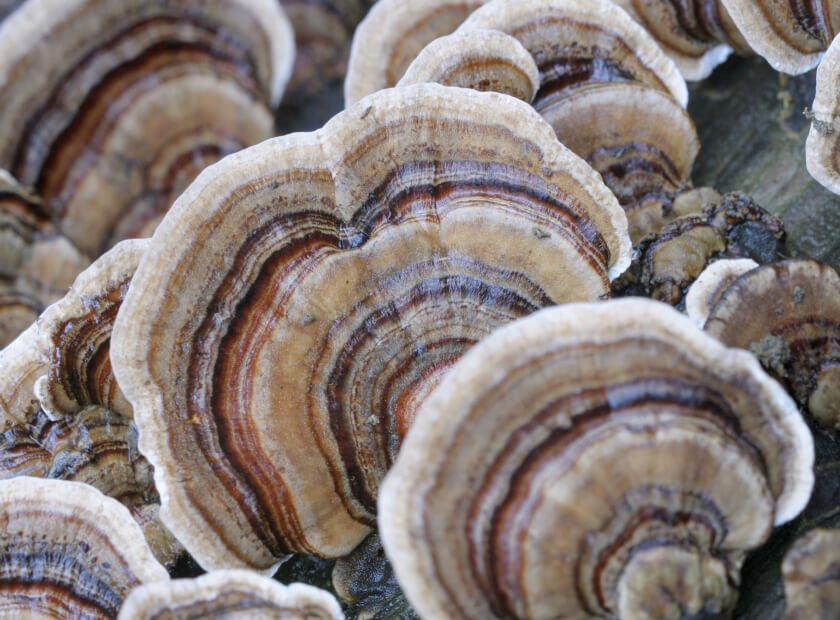
Turkey Tail
A colourful bracket fungus full of polysaccharides.
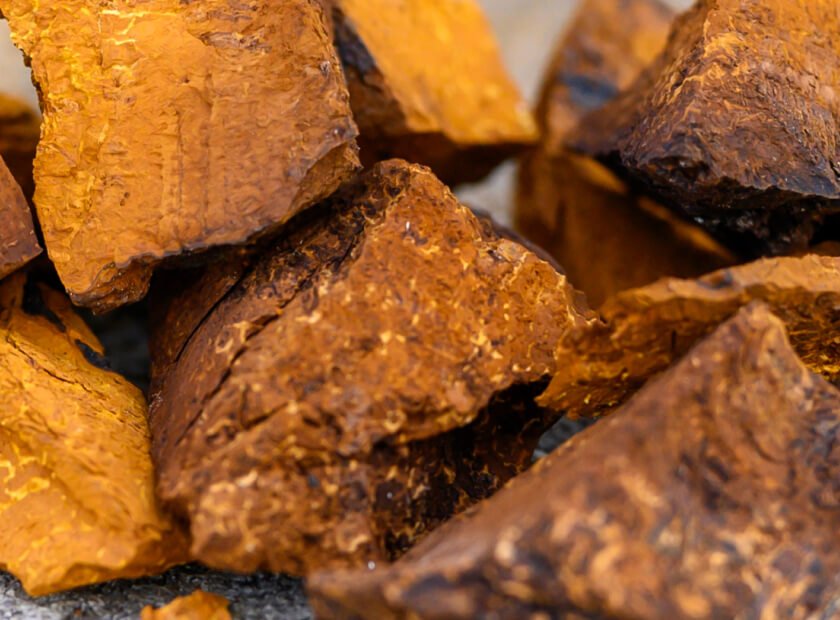
Chaga
A birch-tree growth traditionally brewed as tea in Siberia.
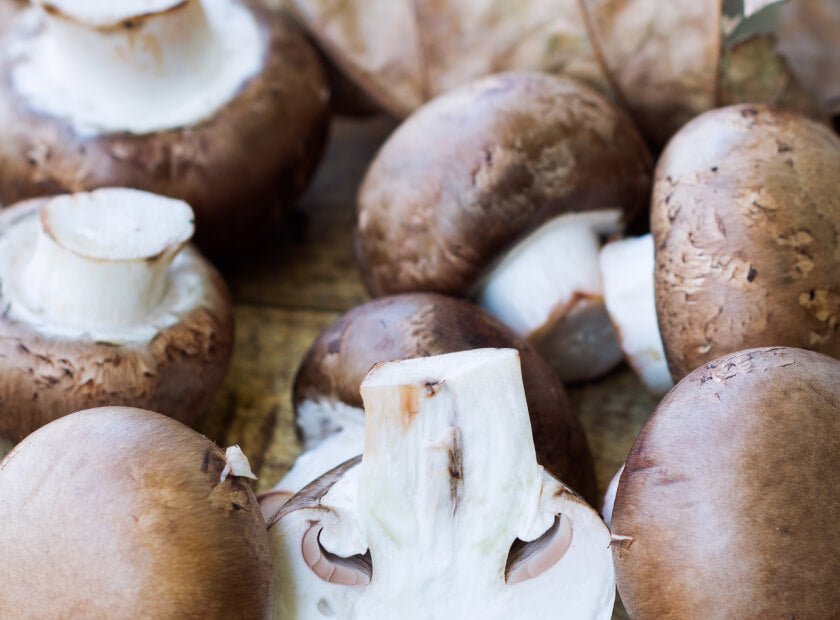
Royal Sun Agaricus
A Brazilian mushroom studied for antioxidant activity.
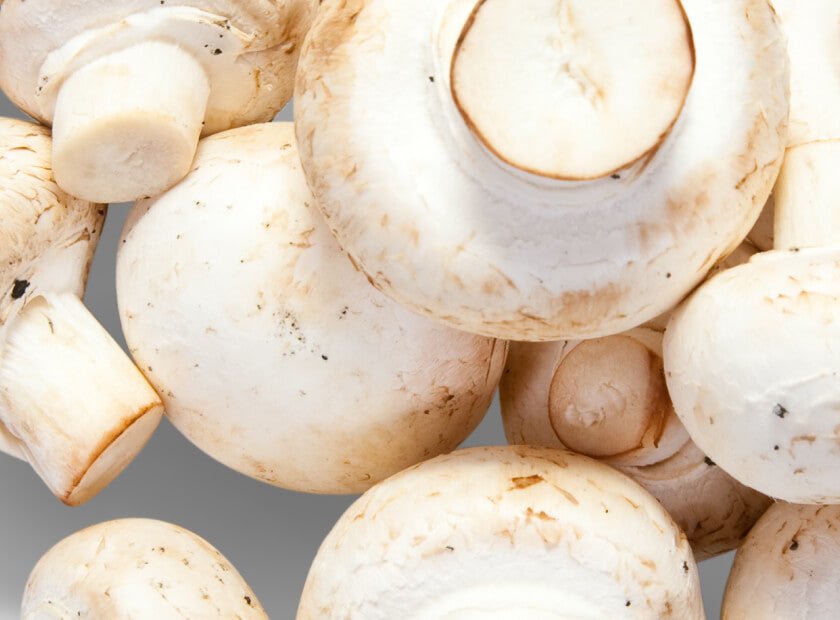
White Button
The everyday mushroom, a dietary source of beta-glucans.
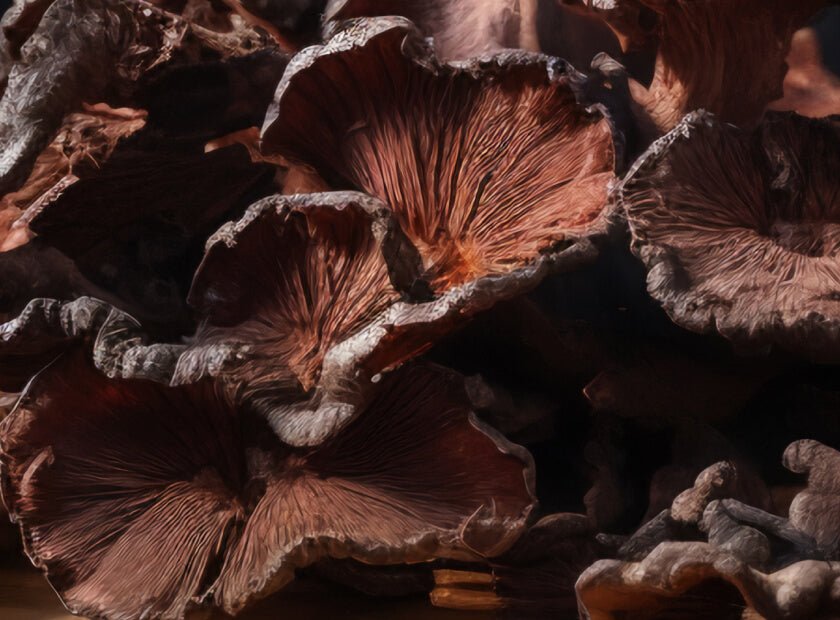
Black Fungus
Wood ear mushroom, common in Asian cooking.
Ingredient photos: Simple Promise.
The Disclosed Four
Reishi is a woody mushroom central to East Asian tradition; a Cochrane review judged its evidence for cardiovascular risk factors too limited. Lion’s Mane is mainly studied for cognition and mood. Cordyceps sinensis, listed here as mycelium powder, is studied for energy and exercise. Shiitake contains eritadenine and beta-glucans; two 2021 trials gave mixed results on blood lipids.
The Proprietary Blend
The other six together weigh 266 mg. Split evenly that’s about 44 mg each, but the label doesn’t say how it’s divided. Maitake and White Button are beta-glucan sources; Turkey Tail and Royal Sun Agaricus are researched mostly for immune and antioxidant questions in the lab; Chaga is high in oxalates, so people with kidney concerns should ask first; Black Fungus (wood ear) research is mostly laboratory and animal work.
Extract, Fruiting Body or Mycelium?
The fruiting body is the visible mushroom; mycelium is the root-like network. The label gives no extraction ratio or beta-glucan percentage.
Other Ingredients
Cellulose (vegetable capsule), microcrystalline cellulose and vegetable magnesium stearate.
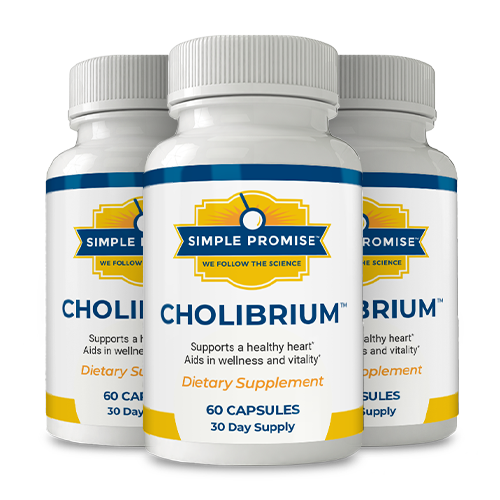
See the current Cholibrium offer
Check today’s package prices, the three free bonus guides and the seller’s guarantee terms.
Check the Official OfferAffiliate link. We may earn a commission at no extra cost to you.
FAQ
Is Cholibrium vegan?
The seller describes it as vegan-friendly and uses vegetable capsules.
Does it contain fillers?
The label lists microcrystalline cellulose and vegetable magnesium stearate, common capsule processing aids.
Sources
- Simple Promise, Cholibrium product page
- Cochrane review: Reishi for cardiovascular risk factors (2015)
- RCT of shiitake food bars (2021), PubMed 34375514
- RCT of shiitake beta-glucan preparation (2021), PubMed 33580297
- 2026 ACC/AHA dyslipidemia guideline
- FDA Dietary Supplement Labeling Guide: Claims
Seller details checked 29 November 2026. Last updated 29 November 2026.
Related Guides
Cholibrium Review
Label, price, research and our verdict in one place.
EffectivenessDoes Cholibrium Work?
What the evidence on each mushroom really shows.
LabelSupplement Facts
Every line of the label, decoded.
BenefitsCholibrium Benefits
What the seller claims vs. what’s supported.
How to useDosage & How to Take
Serving size, timing and routine tips.
SafetySide Effects & Safety
Warnings, interactions and who should ask first.